Every retirement article about Thailand promises the same fantasy: live like royalty on pocket change. The truth is better than the fantasy, but different. Thailand is genuinely affordable — often startlingly so next to the US, UK, or Australia — but it is not free, and the people who get into trouble here budgeted for the brochure instead of the real country.
So here are real numbers. Everything below is in Thai baht (฿), with rough US dollar equivalents at recent exchange rates — call it roughly ฿33–35 to the dollar, but check the rate when you read this, because it moves. Prices are typical ranges for 2025–26, hedged the way real life is hedged: where you live and how you live matters more than any average.

The Three Budgets: Modest, Comfortable, High-End
Modest: roughly ฿40,000–60,000 a month (~$1,200–1,800). This is a real, livable budget — in a smaller city like Chiang Mai’s outer districts, Hua Hin, Udon Thani, or a quieter corner of most provincial towns. You rent a decent one-bedroom, eat mostly Thai food (which, done right, is better food anyway), take local transport, and enjoy life without counting every baht. What you don’t get: a big Western-style condo, imported food habits, or expensive private health cover. Plenty of long-term expats live happily in this band. It’s honest living, not hardship.
Comfortable: roughly ฿80,000–120,000 a month (~$2,400–3,600). This is where most settled Western retirees actually land. A modern condo or small house in a good area, air-con running without anxiety, a mix of Thai and Western food, a car or good scooter, solid health insurance, eating out when you feel like it, a cleaner coming in weekly. In Bangkok this buys a pleasant life; in Chiang Mai or Hua Hin it buys a very pleasant one.
High-end: ฿150,000 a month and up (~$4,500+). Premium condos in prime Bangkok or a villa with a pool in Phuket, international hospitals without a second thought, golf, travel around the region, staff. Thailand’s top end still costs a fraction of the equivalent lifestyle in Florida, the Costa del Sol, or Queensland — which is exactly why it attracts people who could afford to retire almost anywhere.
The single biggest lever is location. Bangkok and the islands — Phuket above all — carry a premium. A mid-size city like Chiang Mai, Khon Kaen, or Nakhon Ratchasima can run 30–40% cheaper for the same standard of living.
A Sample Monthly Budget (Mid-Size City)
Here’s a realistic comfortable-tier month in a mid-size city — think Chiang Mai, Hua Hin, or Udon Thani. Ranges, not promises:
| Expense | Single retiree | Couple |
|---|---|---|
| Rent (modern 1–2 bed condo/apartment) | ฿12,000–20,000 | ฿16,000–28,000 |
| Utilities (electricity, water, internet, phone) | ฿3,000–5,500 | ฿3,500–6,500 |
| Food (groceries + eating out, mostly Thai) | ฿12,000–18,000 | ฿20,000–30,000 |
| Health insurance | ฿4,000–10,000 | ฿8,000–20,000 |
| Transport (scooter/car costs, fuel, taxis) | ฿3,000–8,000 | ฿4,000–10,000 |
| Domestic help (cleaner, laundry) | ฿1,500–3,000 | ฿2,000–4,000 |
| Entertainment, gym, social life | ฿5,000–10,000 | ฿8,000–14,000 |
| Visa/extension costs (amortized monthly) | ฿1,000–2,500 | ฿2,000–5,000 |
| Total | ฿41,500–77,000 | ฿63,500–117,500 |
Move that same lifestyle to Phuket or prime Bangkok and add 30–50%, mostly on rent. Move it to a smaller town and eat more locally, and the bottom of the range drops further.
The Same Retirement, Four Different Price Tags
To see how much location matters, move that same comfortable lifestyle around the country. Chiang Mai is the benchmark — international hospitals and expat life at the lower end of the comfortable range, with the smoky season in late winter as the trade-off. Hua Hin runs a little higher: a seaside retiree town with good hospitals and rents pushed up by Bangkok weekenders. Bangkok is the premium mainland option — the country’s best hospitals and transport, and rents 50–100% above Chiang Mai for equivalent space. Isan (Udon Thani, Khon Kaen, Ubon Ratchathani) is the budget champion, where modest-tier money buys comfortable-tier space. And the islands, Phuket above all, top the ladder — they get their own section below. None of these is the “right” answer; run the numbers for your actual city, not for “Thailand.”
The Line Items, Honestly
Rent. The spread is enormous. A clean, modern one-bedroom in a mid-size city: roughly ฿8,000–18,000 a month. Bangkok, same standard: ฿18,000–35,000 in expat-friendly areas. A small house with a garden outside the big cities: often ฿12,000–25,000. Long leases (a year) get the best prices, and paying several months ahead sometimes earns a discount — but never pay a year upfront to a landlord you don’t know.
Utilities and the air-con factor. Electricity is the bill that surprises newcomers. Water is trivial (often ฿100–300), internet is fast and cheap (฿500–800 for fibre), but air-conditioning is priced like the luxury it is. A small condo with the air-con on mainly at night: maybe ฿1,500–2,500 a month for electricity. A house with air-con running all day: ฿5,000–8,000 is easy, and more in the hot season. Also check your rental’s electricity rate before signing — some buildings bill above the government rate per unit, and that difference adds up fast.
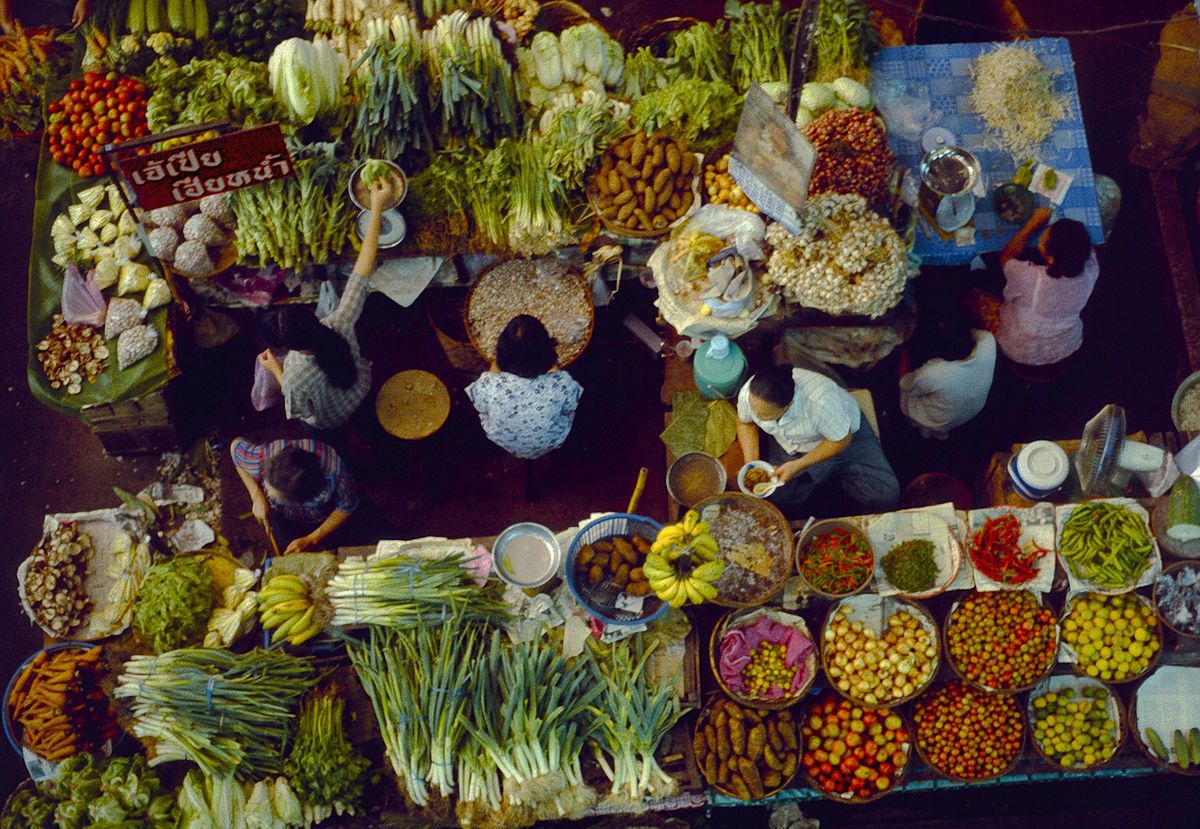
Food. This is where Thailand rewards you. A plate of Thai food at a local shop: ฿50–80. A market shop for two with drinks: ฿200–400. Cook at home with market produce and you’ll eat superbly for ฿6,000–10,000 a month per person. The catch is Western habits: imported cheese, wine, beef, and breakfast cereal carry import prices, and a Western restaurant meal runs ฿400–1,000. Most retirees land in the middle — Thai most days, Western treats a few times a week — around ฿12,000–25,000 a month for a single person.
Health insurance — the big variable. Be straight with yourself here: health insurance is the cost that rises with age, and it rises steeply. A healthy 55-year-old might pay ฿40,000–70,000 a year for decent inpatient cover. At 65, similar cover often runs ฿90,000–180,000 a year. Past 70, premiums climb hard, some insurers won’t take new customers at all, and pre-existing conditions get excluded — sometimes the condition you most want covered. Thailand’s public hospitals are cheap and often good; its private hospitals are excellent and, by Western standards, still reasonably priced (a major procedure can cost a third of US prices). Many retirees self-insure the small stuff and hold a policy for the catastrophes. Whatever you choose, choose it deliberately — “I’ll sort it out later” is how retirement budgets die. Note too that long-stay visa categories increasingly expect proof of health cover.
Visa costs. In general terms: the standard retirement route is a Non-Immigrant O visa followed by yearly extensions of stay based on retirement, which require showing funds — traditionally ฿800,000 in a Thai bank account, or a monthly income of ฿65,000, or a combination, though rules and enforcement shift and you should verify the current requirements before planning around them. The extension itself costs ฿1,900. Add the annual rhythm of paperwork, 90-day reports (free, but your time), a re-entry permit if you travel (฿1,000 single / ฿3,800 multiple), and bank letters and photos — the DIY route runs maybe ฿5,000–10,000 a year all-in. Visa agents who handle everything typically charge ฿15,000–35,000 a year; plenty of retirees happily pay it, plenty do it themselves. Longer options like the 10-year LTR visa exist for those who qualify, with higher thresholds.
Transport. A scooter costs ฿2,500–3,500 a month to rent long-term, or ฿50,000–80,000 to buy new; running costs are peanuts. A reliable used car: ฿250,000–450,000, with cheap insurance and fuel by Western standards. In Bangkok, many retirees skip vehicles entirely — the BTS/MRT plus ride-hailing covers everything for ฿3,000–6,000 a month. (And a note of caution: Thailand’s roads are genuinely dangerous. Budget for taxis if the scooter doesn’t feel right. There’s no shame in it — lots of us do.)
Domestic help. One of Thailand’s quiet luxuries. A cleaner for a half-day visit: ฿400–600. Regular help two or three times a week: ฿3,000–6,000 a month. Full-time help, where wanted, is a fraction of Western cost. Laundry by the kilo is cheap and everywhere.
Entertainment. A gym membership: ฿1,000–2,000 a month. A local beer: ฿60–120; a glass of wine, considerably more, thanks to import tax. Golf ranges from modest local courses to resort prices. Streaming, hobbies, expat clubs, weekend trips to the coast — ฿5,000–15,000 a month buys a full social life at the comfortable tier. Thailand’s entertainment is cheap; only imported habits are expensive.
The One-Offs People Forget
Annual budgets blow up on irregular costs, not daily ones. Plan for:
Flights home. One long-haul return a year: ฿30,000–60,000 depending on route and class. Two trips, double it.
Dental work. The flip side of medical costs — Thailand is a dental bargain. Crowns, implants and root canals at reputable clinics commonly cost a third to half of Western prices, and many retirees time their big dental work for here on purpose. Budget ฿10,000–30,000 in a “teeth year” rather than pretending it’s zero.
The annual visa rhythm. Even on the DIY route, extensions, re-entry permits, photos, bank letters and a day or two of your time add up — and if you use an agent, it’s a yearly fee, not a one-off.
Insurance step-ups. Your health premium doesn’t glide upward; it jumps at age bands (60, 65, 70). The year it jumps is the year unprepared budgets break.
Replacing big things. A laptop, a phone, the scooter’s major service, reading glasses, a new mattress. Something expensive wears out every year; you just don’t know which thing.
Family and emergencies. A child’s visit you want to help with, a family emergency flight at short notice, a contribution you didn’t plan. Keep an emergency cushion — three to six months of your monthly budget, held separately — and treat it as untouchable.
A Note on Phuket and Patong
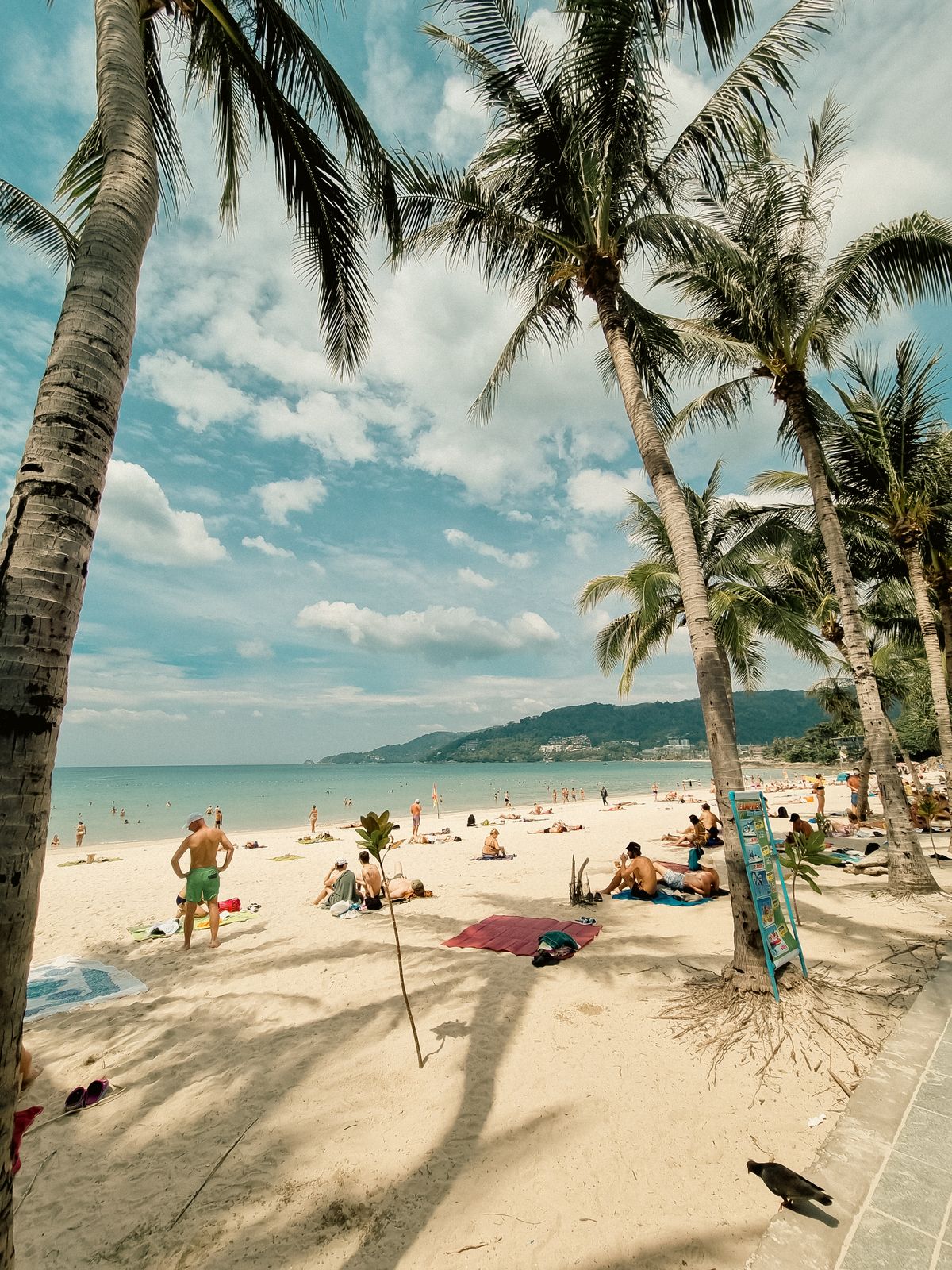
Phuket is where this site lives, so let’s be specific. The island premium is real: equivalent condos rent for noticeably more than in Chiang Mai, and Western food and nightlife cost resort prices. But Phuket offers something the mainland can’t — a beach-town retirement where you can walk to the sea. In Patong, monthly condo rentals a few streets back from the beach commonly run ฿15,000–30,000 for a decent studio or one-bedroom on a long-term deal, rising for larger units and sea views, and dropping sharply if you sign for a year. Live slightly local — markets and Thai restaurants behind the beach road — and a comfortable Patong retirement lands around ฿90,000–140,000 a month for a single person. Live on the beach road at resort prices and it can be half as much again. The honest trade: you pay more than Chiang Mai, and you get the Andaman Sea with your morning coffee.
Setting Up: The First-Year Costs
The monthly budget only tells half the story. Your first year carries one-time hits that catch people out. Rental deposits typically run one to two months’ rent, plus the first month in advance — ฿30,000–80,000 before you’ve slept a night. Most rentals come furnished, but you’ll still spend on bedding, kitchen gear, a better chair — ฿15,000–40,000 if you’re sensible. A scooter, if you buy, is ฿50,000–80,000 new. Then there’s the visa groundwork (initial visa, first extension, possibly an agent), opening a Thai bank account and transferring your qualifying funds, and the flight over. A realistic setup fund — separate from your monthly budget and from any visa-qualifying bank balance — is ฿150,000–300,000 for a single person in a mid-size city, more in Bangkok or Phuket. Having it set aside is the difference between a calm first year and a stressful one.
Money Practicalities Nobody Mentions
A few unglamorous details that move your real monthly spend. Exchange rates move: a pension that felt generous at a strong rate feels tighter a few baht lower, so build a cushion into your tier instead of budgeting to the last baht. Most retirees keep their pension paid at home and transfer monthly or quarterly through low-cost transfer services, which beat bank wire fees by a wide margin — over a year, that choice alone can be worth a month’s food budget. You’ll need a Thai bank account early (your visa finances depend on it). Finally, Thailand has been tightening how foreign income brought in by residents is taxed; the rules have shifted recently and everyone’s situation differs, so take proper advice for your own case rather than relying on bar-stool certainty. None of this is a reason not to come — it’s the fine print of a well-run retirement.

The Honest Summary
Here’s the pattern after years of watching people retire here well — and a few retire here badly. Thailand rewards people who live partly local. Eat where the food is good because it’s Thai, not in spite of it. Live a few streets back from the tourist strip. Learn twelve phrases of Thai and use the local hospital for small things. The people who do that find the modest budget comfortable and the comfortable budget luxurious. The people who try to rebuild Florida or Surfers Paradise at Thai prices find even the high-end budget tight — because imported lifestyles cost imported prices anywhere on Earth.
Run your own numbers honestly, keep your insurance and your emergency fund sacred, and Thailand will very likely give you the best-value retirement years of your life. It does for a lot of us.

No comments:
Post a Comment